Technology & Solutions for Construction Projects
Reliable construction timelapse photography for locations without convenient mains electricity, using appropriately sized solar panels, battery storage and hybrid power options.
Discuss Your Project01 / Overview
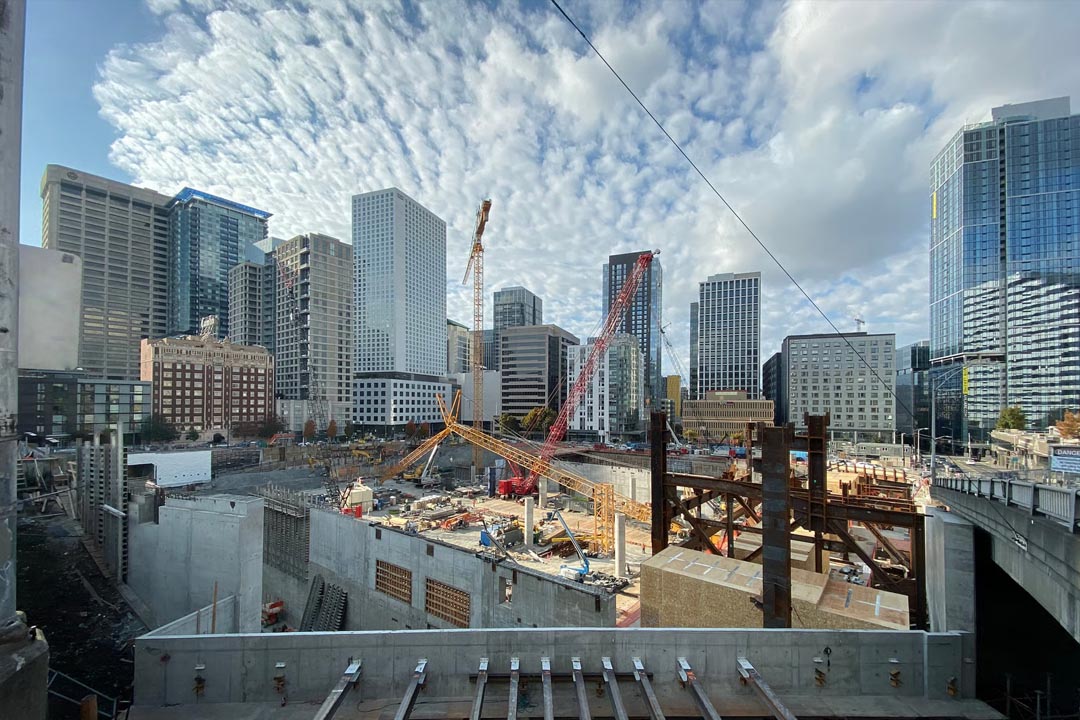
Many construction projects begin before permanent electrical infrastructure is available. Remote plots, tower crane positions, infrastructure works and temporary camera locations may make it difficult to provide a dedicated mains connection.
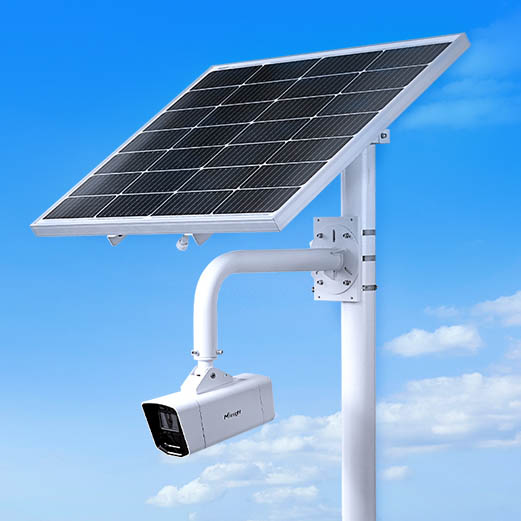
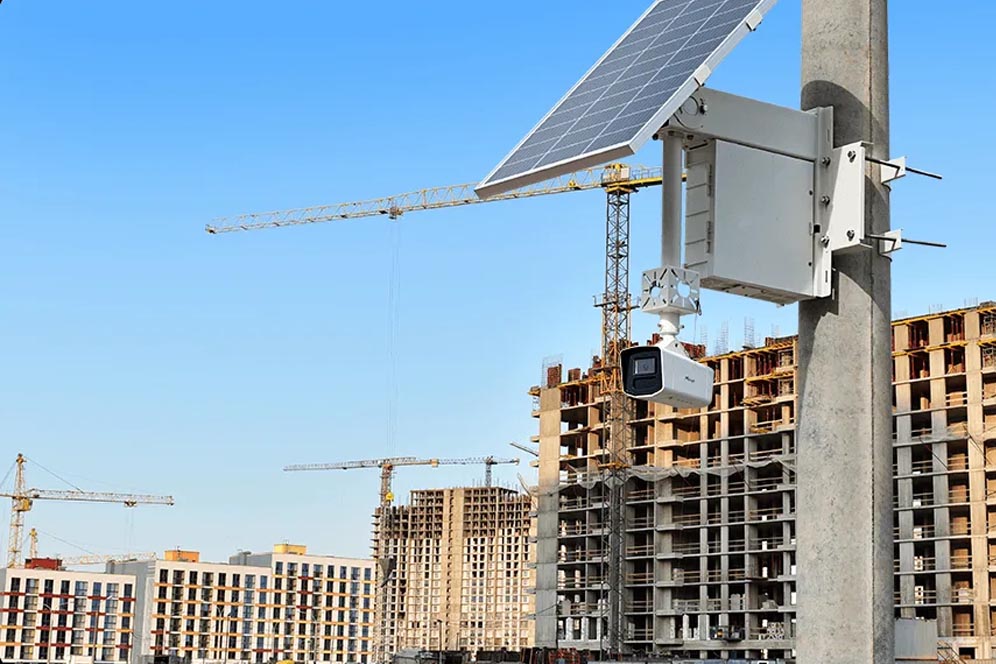
A solar-powered timelapse camera system uses photovoltaic panels and stored battery energy to support image capture and network communications. The system must be designed for the actual equipment load, required operating hours and local site conditions.
For projects that need additional resilience, a hybrid configuration can incorporate an available secondary power source.
02 / How It Works
During daylight, solar panels produce electrical energy that is managed by a compatible solar charge controller. A battery stores energy so that the camera and communications equipment can operate when sunlight is unavailable.
A properly selected power distribution system provides the voltages required by the camera, router and other connected devices. Hybrid configurations may use another suitable power input to support charging or operation when solar energy is insufficient.
03 / Solar Components
The solar panel must be positioned to receive suitable sunlight and mounted securely for the site environment. A compatible charge controller manages energy transfer to the battery and protects the charging process.
Camera systems may require 12V, 24V, PoE or other regulated power outputs. Converter selection should account for efficiency, startup loads, cable length and equipment requirements.
04 / Battery Backup
Battery capacity should be based on measured power consumption, the intended capture and upload schedule, hours without sunlight, permitted battery discharge and expected conversion losses.
A camera that operates continuously requires a different energy budget from a system that uses scheduled capture or low-power modes. Battery chemistry, temperature and maintenance requirements also affect the final design.
Operating time should be calculated and validated for the specific installation rather than assumed from panel wattage alone.
05 / Hybrid Power
Where another power source is available, a hybrid setup can be designed to combine solar charging with a suitable backup supply. This may help maintain camera operation during extended poor weather or unusual power demand.
The choice between solar-only and hybrid power depends on the site's access to electricity, expected project duration, equipment consumption and the continuity required by the client.
06 / Applications
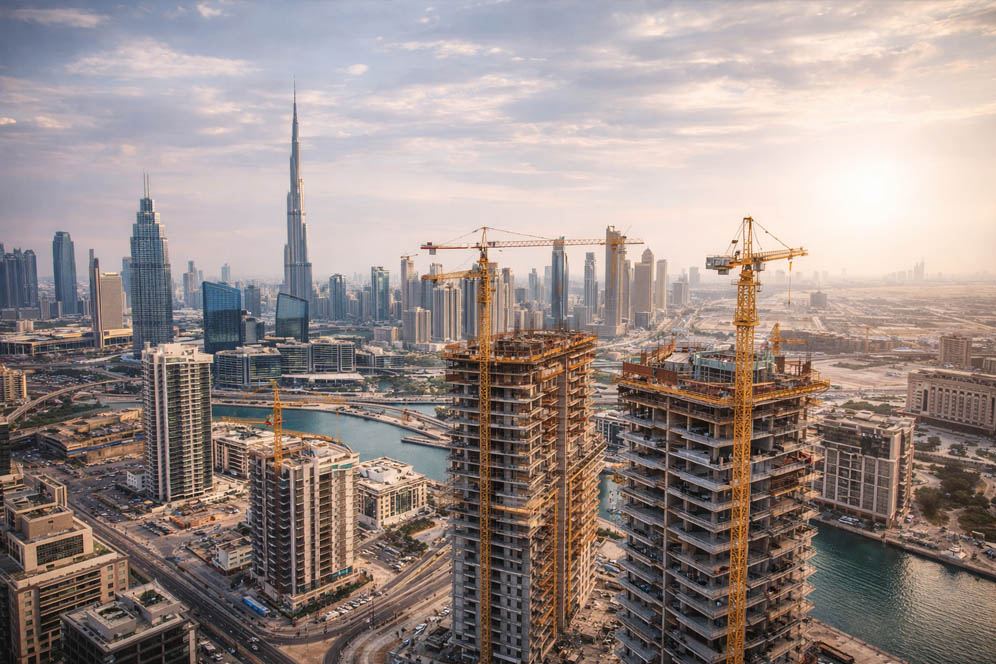
Solar and hybrid camera systems can support construction progress documentation at remote infrastructure sites, industrial developments, new residential plots, temporary site offices and other locations where running electrical cabling is difficult.
Site surveys should assess sun exposure, shading, safe mounting, access for maintenance, mobile-network signal and any restrictions on panel placement.
Frequently Asked Questions
It may be possible with an appropriately sized panel and battery system. The answer depends on actual equipment power consumption, sunlight and the required reserve.
Yes, if sufficient battery energy is available and the power system is configured for overnight operation.
Solar-only systems rely on solar generation and stored energy. Hybrid systems include another suitable power source or charging method.
Yes, provided the system is sized for the combined electrical load and appropriate regulated outputs.
Yes. Panels, batteries, connections, enclosures and mounting hardware should be checked periodically.
Explore Related Solutions
Explore how our connected camera, cloud viewing and timelapse video solutions work together for construction progress documentation.
Get Started
Contact our team to discuss the appropriate timelapse camera setup for your project, location and operating requirements.
Request a Consultation